Science & limits

The thinking behind the check.
And the limits that matter.

Useful context starts by separating broad research, source assessment tools, and this specific app. Evidence at one layer does not automatically prove the next.

That separation protects the reader from assuming that a respected publication or source instrument has endorsed every score, recommendation, or marketing statement in NeuroAge.

Three evidence layers

01 · Research context

Memory, thinking, and modifiable risk factors

The 2024 Lancet Commission reviews evidence about dementia prevention, intervention, and care at a population and research level. It does not validate an individual NeuroAge forecast.

02 · Source instruments

Assessment concepts and their own conditions

Ohio State describes SAGE as a self-administered exam intended to help detect signs of cognitive, memory, or thinking impairment. Its published terms restrict use and do not permit advertising use of the university name without authorization. This site therefore does not claim SAGE endorsement.

03 · NeuroAge implementation

The app’s tasks, scoring, AI insight, and plan

The App Store listing describes six domains and AI-generated explanations. Public materials do not currently publish the complete scoring formula, normative sample, sensitivity, specificity, or a clinical validation study of version 2.1.0.

How a result is formed

What is known—and what still needs product documentation.

The current product combines questionnaire context and short cognitive tasks into a brain-age estimate, risk band, six-domain view, AI insight, and plan. A complete launch explanation still needs the product team’s documented inputs, age comparisons, scoring logic, and AI role.

Conditions matter.Fatigue, distraction, device familiarity, and previous exposure to tasks may affect a result. Repeat scores should be read as observations, not proof of health improvement or decline.

Sources & responsibility

Read the primary material.

The Lancet Commission, 2024

Dementia prevention, intervention, and care. Supports research context—not validation of NeuroAge.

Open source
Ohio State Wexner Medical Center · SAGE

Describes the source instrument, its purpose, limitations, and use conditions.

Open source
FTC Health Products Compliance Guidance

Explains the evidence expected for health-related advertising claims and the overall impression standard.

Open guidance
NeuroAge · US App Store

Current developer statements about features, purchases, devices, version history, and privacy labels.

Open listing

Page reviewed September 20, 2026. Developer: ZeroSix Studio. No medical reviewer is named because no verified medical review was provided.

What NeuroAge cannot tell you.

NeuroAge is an educational self-check. It does not diagnose, rule out, treat, or prevent Alzheimer’s disease or other forms of dementia. It is not described as FDA approved or clinically proven. If changes in memory or thinking concern you, speak with a healthcare professional.

A calm next step

Use the check with its limits in view.

The sources and limitations remain open to read before or after you visit the App Store.

Download NeuroAge on the App Store
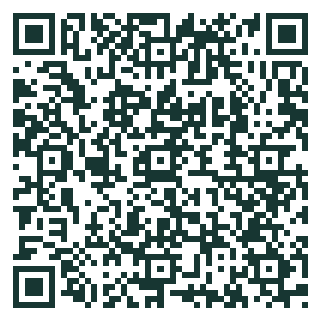
QR code for the NeuroAge listing in the US App StoreScan with your iPhone
Five minutes for your memoryFree basic check · iPhone
Get NeuroAge